

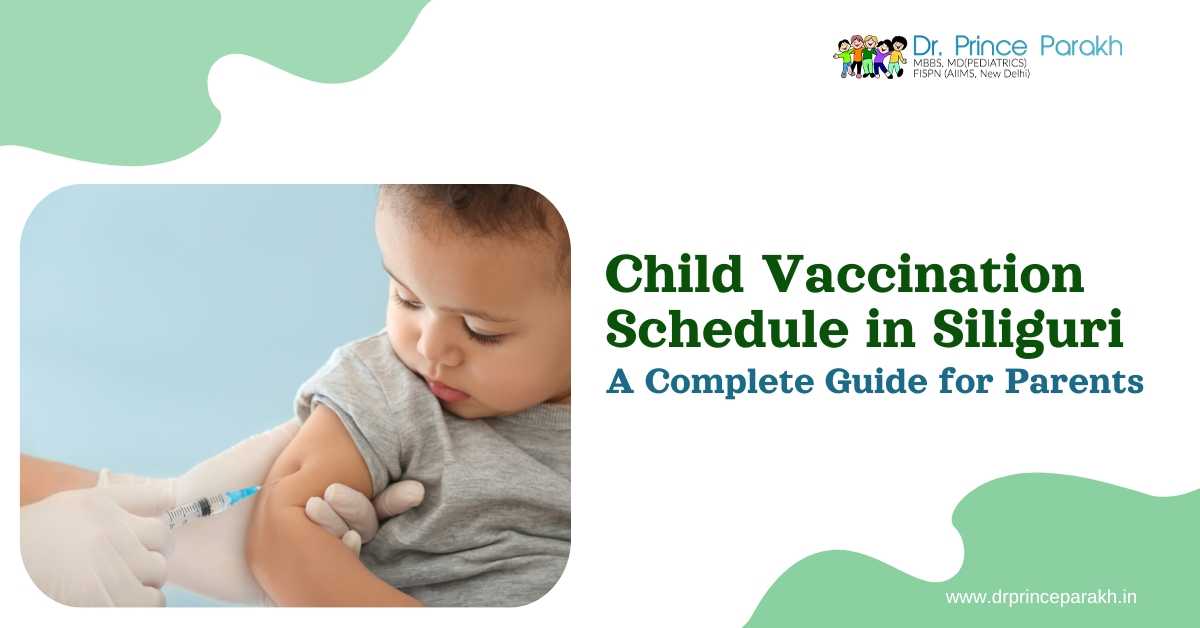




Blood tests are vital in pediatric medical care. But these tests are often frightening and intimidating for children. A simple blood test might become stressful due to fear of needles, strange surroundings, and uncertainty regarding discomfort.
However, you can make your child feel safer, more at ease, and more self-assured if you are prepared. You can reach out to the best pediatrician, whether for critical care for kids in Siliguri or normal checkups, offering all-inclusive support.
Preparing Your Kid for a Blood Test – Why Important?
The unknown is sometimes more frightening to us, and kids are no exception. When they are unprepared, they could expect the worst, which could cause them to become anxious, cry, or resist.
Getting your kid ready for a blood test:
- Increases your and your child's trust
- Lessens emotional strain and dread
- Makes the test run more quickly and smoothly
- Fosters a favorable long-term perspective on healthcare
Your Child’s Age and Emotional Needs
Each kid uniquely reacts to medical procedures, no matter if it’s a simple blood test. Thus, it's important to adjust your strategy according to your child's age and personality.
Toddlers (1-3 years old)
Toddlers struggle to comprehend explanations, so it's more crucial to remain composed and comforting than to give thorough explanations.
Young children (ages 3-5)
Children develop active imaginations at this age. Hence, the best explanations are simple and given in easy terms. But don't provide too many specifics that can make people more afraid.
Children of School Age (Ages 6–12)
These kids are able to understand simple medical explanations. Since they can be concerned about suffering, it's important to be honest and reassuring.
Communicate Openly & Gently with Your Child
Honest communication is one of the most crucial aspects in getting your little one ready for medical care and blood tests.
Learn about what you can say:
- Describe how a blood test enables doctors to assess a patient's health in an age-appropriate way.
- Use plain, uncomplicated language.
- Let's say it feels like a sudden poke or pinch.
- Assure them that it will end soon.
If your little one is extremely nervous, avoid using frightening terms like needle or blood. And, wise not to say that it doesn’t hurt at all, not to give them too many medical details. Being truthful fosters trust in your kid. Plus, the fact is that future medical appointments may be more challenging if a child feels duped.
You Should Choose the Right Time to Talk About It
Telling them about the blood test at the last minute could sound shocking, while bringing it up too early can cause days of needless anxiety.
An optimal guideline to know
- Preschoolers and toddlers: Inform them the same day or the day before
- Children of school age: One to two days before
- Teens: At the time of the scheduled visit
This prevents your kid from becoming overly afraid by giving them adequate time to understand the information.
You Need to Acknowledge Their Emotions
Avoid dismissing your child's sentiments when they express fear.
Rather than stating “There's nothing to be concerned about”, you should try saying “I'll be by your side the entire time”. Children feel safer and more supported when they feel heard. You can also give them a treat after a blood test.
Prepare the Night Before the Blood Test
Preparing the night before is simply the first step toward a peaceful morning.
Describe fasting (if necessary). If fasting is necessary for the blood test, describe it simply:
Your body needs to be examined by the doctor before breakfast.
Get Enough Rest. A child who gets enough sleep is more emotionally stable. Make sure you aim for a restful evening routine and an early bedtime.
Select Cozy Clothes. The process is made simpler and faster by wearing loose garments or short sleeves.
To receive optimum pediatric critical care in Siliguri, visit a highly trusted doctor.
During the Test, You Can Use Distraction Strategies
One of the best strategies for easing pain and anxiety is distraction.
- Together, take deep breaths
- Naming your favorite animals or counting numbers
- Listening to music or seeing a video
- Telling a joke or a story
For Elderly Kids
Motivate them to:
- Turn your head away from the process.
- Pay attention to your steady breathing.
- Apply pressure on a stress ball.
The brain can concentrate on something other than the sensation when it is distracted.
Our little ones often reflect the feelings of their parents, and your child is more likely to feel afraid if you seem nervous.
Advice for parents:
- Be calm and steady as you speak.
- If necessary, provide physical comfort.
- Have faith in the medical staff.
Projecting calm certainty makes your child feel protected, even if you're anxious on the inside.
How Do You Handle Your Child's Extreme Fear?
Some kids suffer from needle phobia, a severe fear of needles, and if this is the situation:
- Consult the medical professional in advance.
- Inquire about special methods or numbing creams.
- Think about consulting a child life specialist.
With the correct help, severe anxiety is common and controllable.
You have the chance to teach your child good coping mechanisms with every blood test. Children eventually discover that they are capable of managing challenging situations.
- Communicating feelings
- Using relaxation or breathing exercises
- Posing inquiries
- Afterward, feeling pleased with themselves
These abilities help kids in ways that go well beyond doctor visits.
Helping your child feel comfortable, informed, and supported is more important when preparing them for a blood test. You don’t need to eliminate their fear.
You may make a stressful situation manageable with open communication with your little one. Ensure emotional support and easy preparatory techniques. The most effective form of support is your presence, patience, and assurance.
Every positive encounter boosts your child's self-esteem and helps them approach future medical appointments with greater trust and fewer worries. Consult your expert for all-inclusive pediatric healthcare, including basic treatments, routine checkups, to critical care. For critical care for kids in Siliguri, visit the most trusted child specialist.

