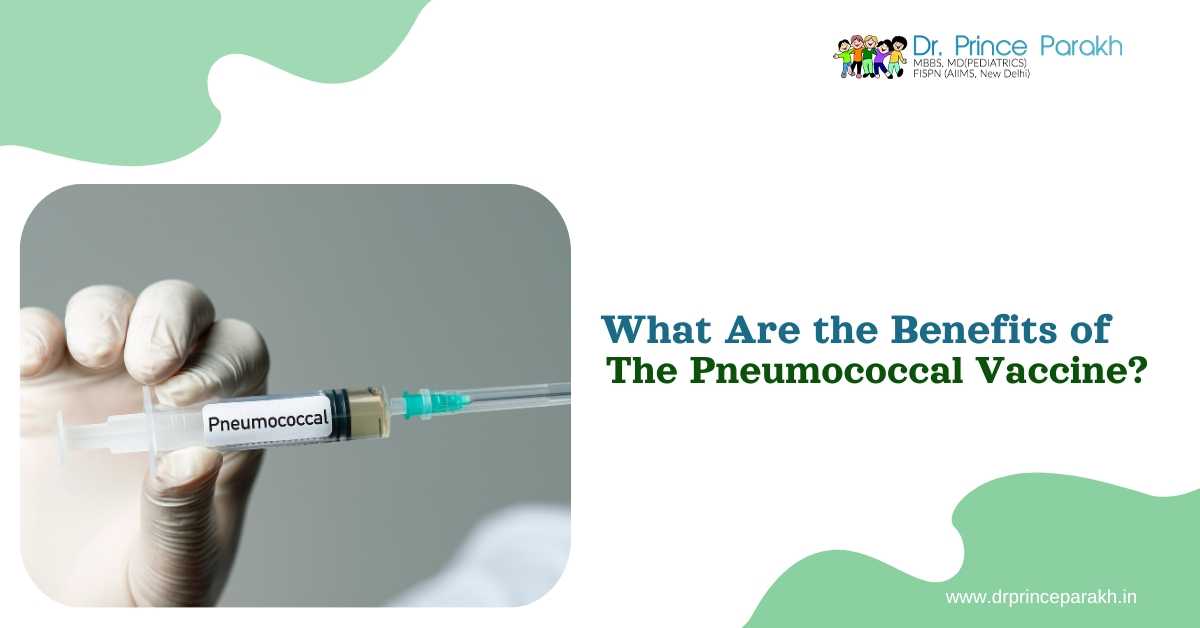


If you are looking for information about the pneumococcal vaccine in Siliguri, understanding its benefits can help you make informed decisions about protecting your child’s health. Pneumococcal disease is caused by streptococcus pneumonaie bacteria and can lead to infections such as pneumonia, meningitis, bloodstream infections, ear infections, and sinusitis. Getting vaccinated can help protect against pneumococcal infections and lower the chances of developing serious illness or complications caused by the disease.
Benefits of the pneumococcal vaccine?
The significant benefit of pneumococcal vaccination is the prevention of pneumococcal disease. Pneumococcal disease includes several types of infections caused by the bacterium Streptococcus pneumoniae. Pneumococcal disease can lead to pneumonia, bacteremia (blood infection), and meningitis (the infection of the brain membranes). Pneumonia, when caused by pneumococcal bacteria, can be life-threatening. Meningitis and bacteremia are both serious pneumococcal infections.
Prevent Pneumonia:
Pneumonia is a severe lung infection; it is caused by pneumococcal bacteria. The pneumococcal vaccine prevents a pneumococcal infection, and in turn, it prevents pneumonia. So the pneumococcal vaccine prevents the most serious pneumococcal infections like bacteremia, pneumonia,and meningitis.
Prevent meningitis:
Pneumococcal bacteria cause meningitis, an infection of the brain membrane. Pneumococcal meningitis is a severe infection that can cause life-threatening complications and, in some cases, may be fatal. If one gets pneumococcal meningitis, they stand a chance of experiencing brain damage. Hence, it is of utmost importance to prevent meningitis.
Prevent bloodstream infections:
One of the pneumococcal bacterial infections is bacteremia. Bacteremia is when the bacteria infect the blood. Pneumococcal bacteremia is a pneumococcal infection that is prevented by the pneumococcal vaccine. Prevents serious infections in young children. Pneumococcal infections are more likely to occur in children. So it is essential to ensure children get all pneumococcal shots to prevent pneumococcal disease. The child’s pediatrician knows which pneumococcal vaccine is required and when to administer it.
Preventive healthcare:
The pneumococcal vaccine prevents serious pneumococcal disease. It provides the body with defense mechanisms to fight infections like meningitis andpneumonia.Vaccination is a form of preventive healthcare. It is the best way to prevent pneumococcal disease from striking; the body can be prepared to fight the bacteria with a pneumococcal vaccination.
Who needs a Pneumococcal vaccination?
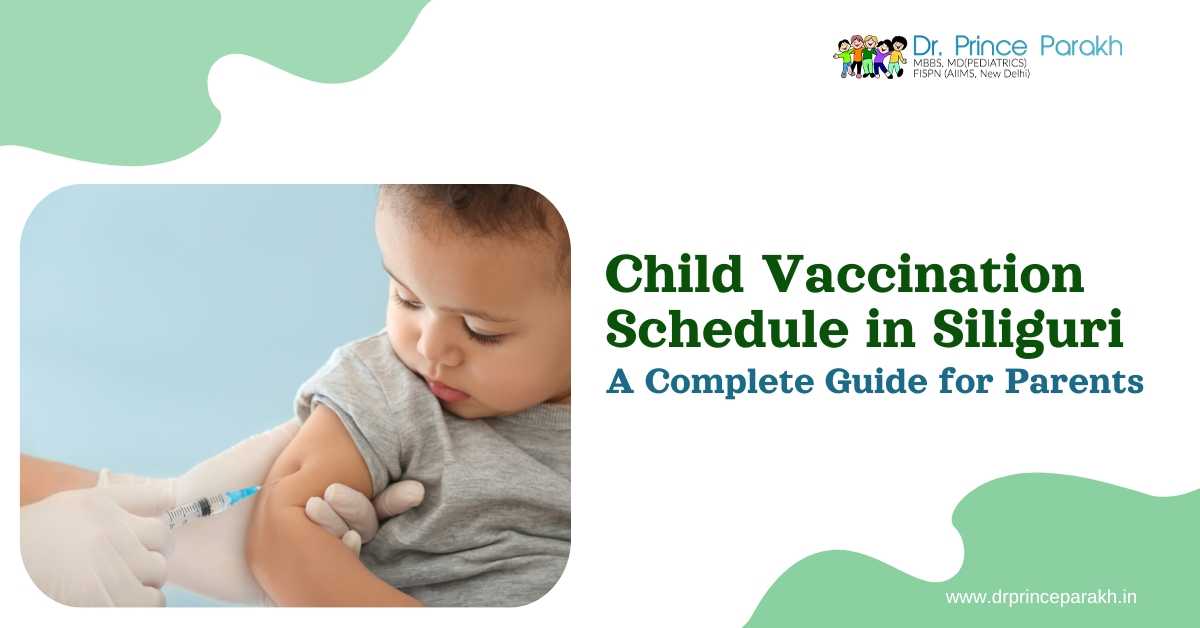
Depending on age, some people are more likely to acquire pneumococcal disease and hence need a pneumococcal vaccination. Young children and older adults havea higher risk of developing pneumococcalinfections. Individuals with certain underlying health conditions may also be more vulnerable to pneumococcal disease. The pediatrician determines the pneumococcal vaccine required by an individual based on age and risk factors. Parents should not go ahead and change their child’s vaccination schedule based on what they find on the internet. They should always consult their pediatrician before changing any vaccination or medication schedule because their child’s pediatrician considers the child’s health status and previous medication.
Managing a missed pneumococcal vaccine dose:
Parents who miss a scheduled pneumococcal vaccine for their child may be concerned that they will need to restart the vaccination course. Instead, the ideal next step to manage this situation may depend on a child’s age and the vaccination history. Recommended by the Centers for Disease Control and Prevention (CDC), children below the age of five who have missed pneumococcal shots or vaccination schedules may be offered a catch-up vaccine. Depending on the child’s age, the required number of pneumococcal doses and the time between them will vary.
Check your child’s previous vaccination records:
If parents have missed a dose of the pneumococcal vaccine, the next ideal step would be to review the child’s vaccination records. In particular, it will be essential to find out which pneumococcal vaccinations the child had previously received and when the last dose was given. This information will help a medical professional understand the child’s vaccination history. It will be necessary for parents to arrive at the medical appointment with a vaccination record in hand. It is vital to keep in mind that the CDC’s catch-up guidelines apply to individual circumstances. Therefore, it will be essential to provide the vaccination records to the healthcare professional when making arrangements for the next dose.
Does a missed dose mean starting over?
In the vast majority of cases, restarting a pneumococcal vaccination course is not necessary after a child has missed a single infection. Instead, a parent, in consultation with a healthcare professional, should be able to follow the catch-up schedule guidelines. It has been suggested by the CDS that a pneumococcal course generally does not need to be repeated if a child has received at least one dose. Instead, a healthcare professional can look up the appropriate catch-up schedule and provide further recommendations. Parents should know that starting a vaccine series completely over from the beginning is rarely necessary. To avoid confusion, a family doctor or nurse can look over the child’s vaccination records and advise what to do next.
Some children may need additional protection:
Certain medical conditions place children at a higher risk of developing serious pneumococcal infections. The CDS suggests that children with such conditions may require additional pneumococcal vaccines depending on the particular medical history and vaccination schedule they follow. Due to these risks, parents should not try to guess whether their child needs additional vaccination protection. Instead, it will be essential to consult with a family doctor. They will likely be able tp advise whether the child needs any additional protection against pneumococcal disease.
What are the common side effects of the pneumococcal vaccine?
As with many other vaccines, children who have been administered pneumococcal vaccines may occasionally experience side effects. Luckily, most side effects that have been reported are mild and short-lived. The CDS lists pain, redness or swelling around the injection site, and fever as possible mild side effects of pneumococcal vaccination. In addition, some children may experience tiredness or irritability after a pneumococcal vaccine.
Some common side effect symptoms are:
-
Soreness, redness, or swelling around the place of injection
-
Mild fever
-
Tirednes or tiredness
Why consult a paediatrician for pneumococcal vaccination?
Finding a personal pediatrician to discuss a child’s pneumococcal vaccination can be an excellent opportunity for parents toask any questions regarding pneumococcal disease. The vaccination schedule will generally depend on the child’s age. Medical history and any pre-existing medical conditions may put the child at a higher risk of pneumococcal infections. The CDS, in particular, recommends consultation with a healthcare professional for pneumococcal vaccination. According to the Centers for Disease Control and Prevention (CDC), children who have particular risk conditions may also need to receive additional pneumococcal vaccinations. Which vaccines a child is eligible for and in which sequence they should be administered will also need to be discussed individually with a paediatrician.
Final thoughts
There is no question about the general importance of the pneumococcal vaccine for children's health. Making sure that a child has received all of the pneumococcal recommendations throughout their life is an integral aspect of maintaining their health and preventing pneumococcal infections. Similarly, timely medical advice will likely be necessary to determine the pneumococcal vaccination schedule for a child. When a parent has missed a dose of the pneumococcal vaccine for their child or is unsure whether a child has received all of the recommended pneumococcal vaccinations, it will be vital to consult one of the expert pediatricians to review their vaccination records. For parents who are wondering about the pneumococcal vaccine in Siliguri, Dr. Prince Parakh offers a wide range of personalized and professional guidance relating to childhood health and immunization.When a parent has missed a dose of the pneumococcal vaccine for their child or is unsure whether a child has received all of the recommended pneumococcal vaccinations, it will be vital to consult one of the expert pediatricians to review their vaccination records.For parents who are wondering about the pneumococcal vaccine in Siliguri, Dr. Prince Parakh offers a wide range of personalized and professional guidance relating to childhood health and immunization.
Frequently Asked Question
What is the main benefit of the pneumococcal vaccine?
The main benefit of the pneumococcal vaccine is that it helps protect against serious bacterial infections, including pneumonia, meningitis, and bloodstream infections. It also reduces the risk of severe illness and related complications.
Are there any side effects of the pneumococcal vaccine?
Like most vaccines, pneumococcal vaccination can have some side effects, such as injection site reactions, headache, fever, fatigue, and muscle aches. The side effects described above should not be severe, but if they do, it is necessary to contact a medical professional.
How many pneumococcal vaccines are needed?
The number of pneumococcal vaccines depends on the person’s age, health status, vaccination history, and pneumococcal vaccine type. Children usually get several doses, and adults get one or more pneumococcal vaccines. A healthcare provider will determine the number of vaccines, which can vary.
Can the pneumococcal vaccine prevent pneumonia?
Yes, the pneumococcal vaccine helps protect against pneumonia caused by the pneumococcal bacteria strains covered by the vaccine. However, it does not prevent every type of pneumonia caused by other bacteria, viruses, or fungi.
Who should get the pneumococcal vaccine?
The pneumococcal vaccine is recommended for young children, older adults, and people with certain medical conditions that increase their risk of pneumococcal infections. A healthcare professional can recommend the appropriate vaccine based on age and medical history.