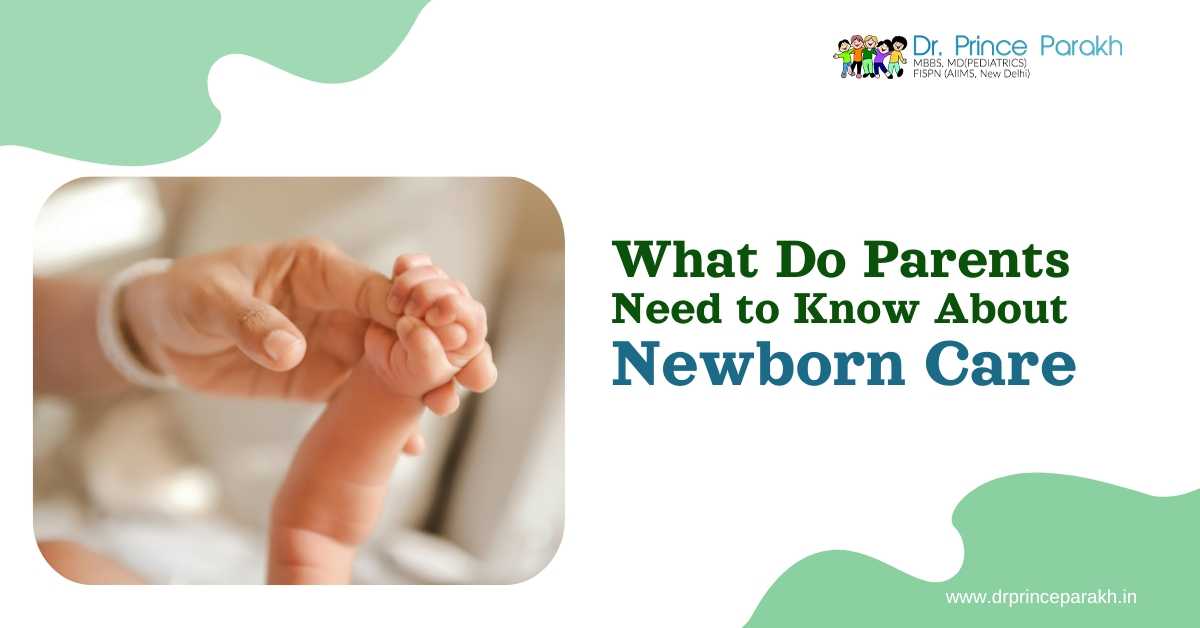



The arrival of a newborn is a joyful and life-changing experience, but it also brings new responsibilities for parents. During the first few weeks of life, babies need careful attention to feeding, hygiene, sleep, warmth, and overall health. Understanding the basics of newborn care can help parents confidently meet their baby’s needs and recognize signs that may require medical attention. For parents seeking reliable newborn care in Siliguri, having proper knowledge and guidance from a qualified pediatrician can play an important role in ensuring a safe and healthy start for their little one.
Also Read: How to Choose the Best Child Specialist in North Bengal
Newborns require special care.
Since a child’s body is still adjusting to the new environment, proper care in the first weeks and months after birth is critical. Keeping the infant warm, maintaining hygiene, and taking special care are essential newborn care practices. According to the World Health Organization, thermal protection, hygienic umbilical cord care, early initiation of breastfeeding, assessment of health status, and appropriate management of possible health conditions are critically important.
Parents know what is considered normal and what needs professional treatment:
Understanding what nursing practices should be followed at home and what danger signs indicate a need for immediate medical intervention is essential. The WHO highlights feeding problems, inadequate response to stimuli, breathing difficulties, fever, fits or convulsions, and coldness of the baby’s skin as some of the warning signs. Moreover, the baby’s health condition needs to be evaluated by a qualified pediatrician even if the parents have mild concerns about the infant’s well-being. It is especially important for preterm and low-birth-weight infants who need additional care and support.
Parents are informed about the needs of the newborn:
The provision of newborn care is closely related to feeding the infant. According to the World Health Organization, exclusive breastfeeding for the first six months is optimal because it provides all the nutrients that a child needs without any other food. Parents should learn to breastfeed correctly to avoid sore nipples and ensure that the baby gets enough milk.
Hygiene is maintained to avoid any infections:
Newborn care includes special hygiene practices to prevent infections since the infant's immune system is still developing. A parent must know how to handle the child while maintaining their own hand hygiene and follow specific care instructions for the umbilical cord and skin care.
Parents attend all doctor appointments with the infant:
Newborn care also involves regular check-ups with the pediatrician even after leaving the hospital. Those visits are crucial to assess the baby’s feeding. Overall well-being, development, and establishing the child’s vaccination schedule. Parents can also express their concerns about the infant’s feeding, sleeping, crying, vaccination, or any other medical issues during those visits.
Keeping the baby comfortable and warm:
Babies tend to be sensitive to temperature extremes, and therefore it is advisable to keep the infant warm. Parents should learn how to properly dress their child depending on the temperature to avoid serious diseases. Warmth is good for the infant while being at ease in terms of clothing and bedding.
Identifying illness and health problems:
Parents should always be able to spot a change in their newborn that could be an early warning sign of an illness and immediately take action by bringing the child to a paediatrician. Such illnesses include unwellness expressed through difficult breastfeeding, extreme drowsiness, low or high body temperature, and abnormal crying.This will help ease the situation because the parents would be able to identify such illnesses early enough.
The sleep environment:
The parents should also know how to keep their child comfortable and well while asleep. They should ensure that the infant's sleeping environment is appropriate and also maintain it. Moreover, the parents should learn safe sleep practices for the infant as recommended by their paediatrician.
Vaccines and regular visits:
Parents should take their child to regular visits with the pediatrician. During these visits, the pediatrician examines the child’s growth, feeding, and development and provides the necessary medication. Therefore, the parents need to keep track of their child’s vaccination schedule and all the other regular checkups.
Facilitating the growth of the new born:
Newborn care involves knowing what to do as the child grows. The parent should learn how the child develops and behaves throughout the first year. For example, how the baby feeds, sleeps, gains weight, and senses the environment. The regular checkups conducted by the pediatrician would then help to make sure that the infant is growing and developing normally. Also, the parents should bring up any concerns, even if they seem small, to help the child grow better.
Final thoughts
The newborn stage is a special time that comes with both happiness and new responsibility. Having the right knowledge about newborn care can help parents understand their baby better, feel more confident in everyday situations, and recognize when professional medical guidance may be needed. Every baby is unique, so parents should avoid relying only on general advice and seek guidance based on their baby’s individual health and development. If you are looking for newborn care in Siliguri, getting timely support from an experienced pediatrician, Dr Prince Parakh, can make the early journey of parenthood more reassuring and informed.
Frequently Asked Questions
When should parents start learning about newborn care?
Parents can start learning about newborn care even before the birth of the child and continue to do so after, which helps them be more informed and prepare when bringing the baby home. Learning about feeding, hygiene, sleep, check-ups, vaccination schedules, and warning signs can be helpful.
What are the most important things parents should know about newborn care?
Parents should know about the baby’s feeding schedule, sleep patterns, hygiene, skin care, temperature, vaccination schedules, check-ups, and warning signs. They should also know when to contact a pediatrician if a child displays odd feeding patterns, excessive drowsiness, changes in activity level, irregular breathing, or any other unusual signs.
How can parents know if their newborn is feeding properly?
The parent know that the newborn is feeding properly if they appear to be feeding properly if they appear to be feeding regularly and comfortably. The parent must also ensure that the baby is wetting at least a few times daily, usually about the number of feedings.If the infant consistently struggles to feed, seems excessively tired, or parents are still unconvinced about the number of feedings, or the baby is not gaining weight, they should contact their pediatrician to discuss potential problems.
Is it normal for newborns to sleep for many hours?
It is entirely normal for a newborn to sleep a lot through the day and night. Newborns typically only sleep for a short period of time before needing to be fed again. A parent should keep track of the baby’s feeding schedule and not worry too much about their sleeping pattern, as it varies from infant to infant. If there is a change in the baby’s normal alertness or any other concerns, the parents should contact their pediatrician.
How can parents keep a newborn safe at home?
Parents should create a clean, comfortable, and baby-friendly environment and handle the newborn gently. Keeping small objects, smoke, and other potential hazards away from the baby is also important.
How should parents handle a newborn during bathing?
Newborns should be handled gently during bathing, with close attention to head and neck support. Parents should prepare everything beforehand and never leave the baby unattended near water.
What should parents know about newborns?
Some weight changes can occur during the early days after birth, but the baby’s growth should be monitored by a pediatrician. Regular weight checks can help determine whether feeding and growth are progressing appropriately.