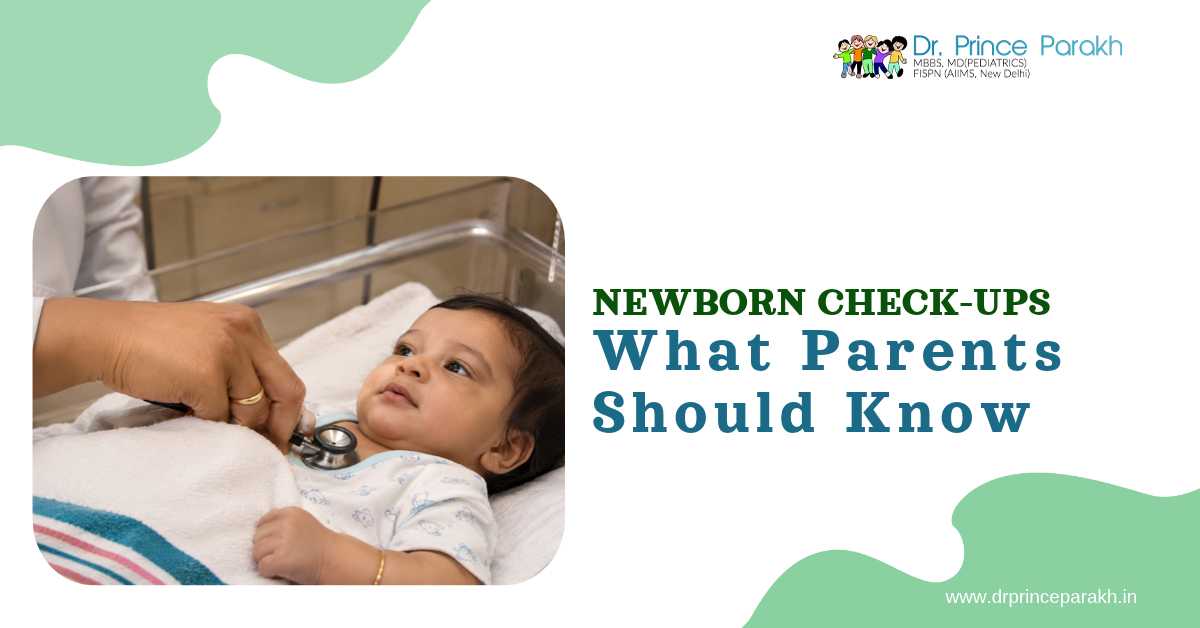




Welcoming a newborn baby home marks the start of a wonderful new chapter for parents, though in the early stages, parenthood also brings several new challenges. Parents need to closely observe many new things in their baby’s daily life, such as feeding patterns, sleeping habits, and other essential signs. During this period, regular checkups of your baby can help parents stay aware and connected with their baby’s daily changes from the very beginning. Taking advice from Paediatricians in Siliguri can guide you through your baby’s medical visits, vaccination schedule, diet, and other related checkups. Through these visits, you can also learn how to provide the right care your baby needs during the first few weeks, setting a strong foundation for your baby’s healthy growth.
Also Read: What to Expect at Your Child First Visit
Why are newborn checkups important?
A newborn goes through several adjustments after birth: feeding, breathing, body temperature regulation, and digestion are among the areas that may need attention during the early stages.
Regular checkups help a paediatrician:
- Monitor your baby’s weight gain.
- Check how your baby is feeding and taking in nutrients.
- Listen to their breathing, heart rate, and body temperature.
- Check their skin, eyes, and ears.
- Identify if they have jaundice or risk of infection.
- Discuss their vaccinations and newborn screening.
- Advise on caring for your newborn.
With these assessments, a doctor can identify concerns that might require further medical care.
When should parents schedule the first newborn checkup?
The first time your baby will have their initial medical checkup will usually be shortly after birth. If they are born outside of the hospital, parents should book an early appointment. A follow-up visit is generally recommended within 48-72 hours after discharge, particularly when discharge happens before the baby is 48 hours old. Your paediatrician may suggest further appointments depending on your baby’s health, feeding and weight.
What happens during a newborn checkup?
During your baby’s appointment, your paediatrician will generally check various aspects of your baby’s health. Depending on your baby’s age and medical history, they may do the following:
Weight, length and head circumference:
They can measure your baby’s weight, length, and head circumference to see if they are growing well. Newborns sometimes lose some weight during the first few days of life. Your paediatrician will check that your baby’s weight is appropriate and discuss any concerns regarding their feeding.
Heartbeat and breathing:
The doctors can listen to the baby’s heartbeat and check their breathing pattern. These assessments help identify unusual heart sounds, breathing difficulties, or other concerns that may require further evaluation.
Skin colour and jaundice:
As jaundice is quite common in newborns, during your baby’s appointment, your doctor can check their skin and eyes. If they need to test bilirubin, they can do this. If your baby has jaundice within 24 hours of being born, then your baby needs medical care in the initial time.
Eyes, ears, and mouth:
Their eyes will be checked for any abnormal discharge. Their ears and mouth will also be checked for any abnormalities. Depending on your baby’s screening, they may also discuss their hearing and vision.
Umbilical cord and skin:
The umbilical area will be checked for any signs of infection such as redness, swelling, and discharge. Rashes, birthmarks, and any skin changes may also be checked.
Reflexes and movement:
Newborns will naturally have some reflexes such as sucking, grasping, and the startle reflex. Your paediatrician will observe their movements, muscle tone, and responses to stimuli.
Important tests for newborns:
Newborn screening can help identify some health concerns. Depending on your hospital and baby’s history, your doctor may suggest:
Newborn screening: A small blood sample may be taken to screen for certain metabolic, hormonal, and genetic conditions.
Hearing screening: Tests such as otoacoustic emissions ( OAE) or Automated Auditory Brainstem Response (AABR) can help identify any hearing problems.
Pulse oximetry:This can help identify certain congenital heart conditions by measuring the oxygen levels in your baby’s blood.
Bilirubin: Your doctor may suggest doing a blood test or skin test to check for jaundice.
You can ask your doctor what tests have been done prior to leaving hospital and if any follow-up tests are required.
What vaccination should you know about?
Indian babies are generally given certain vaccinations at birth so that it can help them to stay protected from unwanted diseases and virus .
|
Vaccine |
Recommended timing |
|
BCG |
AT birth or as early as possible |
|
OPV-0 |
At birth |
|
Hepatitis B birth dose |
Within 24 hours of birth |
You may get a vaccination card where you can have a vaccination schedule with details provided, including dates and ages. This can help you understand which vaccinations you can give to your child while following your doctor's advice.
Common newborn health concerns parents should discuss:
Some changes can be normal for your baby during their early stages; however, some may need medical attention. You should discuss the following with your paediatrician.
- Feeding difficulties: Poor latching, struggling to stuck or not feeding as much.
- Excessive crying: If your child is crying persistently, or shows any unusual irritability that does not settle with usual comforting.
- Sleeping patterns: Often waking up. They may not be sleeping regularly. If they are overly sleepy or struggling to wake.
- Rashes: You should discuss this with your paediatrician if you notice any persistent rashes, swelling, or unusual skin changes.
- Digestive concerns: If you notice problems like frequent vomiting, abdominal swelling, or difficulty passing stools, then you should seek a consultation.
- Weight changes: Ask your doctor if your baby is gaining the correct amount of weight for their age.
Your paediatrician can help you distinguish between normal behaviours and any symptoms that may need further attention.
Final thought
In the first few months, a newborn baby can require regular medical care, patience, and careful observation. Newborn checkups can help you monitor the baby’s growth, feeding habits, and early developmental progress. It can also help your doctor identify any health concerns that may need extra care.
So keeping track of their vaccination, attending appointments, and discussing any unusual symptoms with your paediatrician in Siliguri can help make caring for your newborn easier. By staying proactive, you can give your baby a healthier and safer start in life.
FAQS:
How often should you take your baby to see their paediatrician?
Your baby can generally need to be seen within 48-72 hours of leaving hospital. They may then need to be seen during the first few weeks. This will depend on your baby’s health and what your doctor suggests.
What should you take to your baby’s appointment?
Take your hospital discharge papers, vaccination records, newborn screening, and feeding/ sleeping.
Is it normal for babies to lose weight?
It is common for babies to lose some weight within the first few days; however, your paediatrician will monitor their weight and feeding to ensure they are recovering well.
When should you be worried about jaundice?
If your baby develops jaundice within the first 24 hours, they will need to be seen urgently. If their palms and soles are yellow or getting worse, they will need prompt attention.
Why do newborns need hearing tests?
Hearing tests can help identify any hearing issues. This may allow for the correct follow-up tests.
Can you skip the appointment if your baby seems fine?
No, some health concerns may not cause any obvious symptoms. Attending your appointments can help monitor their growth, feeding, development, and health.
What symptoms may require parents to contact a paediatrician immediately?
Fever, difficulty breathing, poor feeding, unusual sleepiness, convulsions, and worsening jaundice need prompt medical attention. Parents should not wait for the next scheduled checkup if these symptoms appear.