



As a parent, you would love to see your children stay active, cheerful, and playful throughout their childhood. But childhood is also about catching an infection and frequent sickness, which can be worrying for you. It is normal to wonder why kids get sick often and how you can prevent them from falling sick. Every child falls sick, and this is an expected part of their growth. The frequency of sickness and infections depends on various factors such as age, overall health, immunisations, environmental exposure, and changing seasons. In this blog, we will share some of the reasons for your child’s frequent sickness and preventive tips to manage their well-being.
Also Read: When Should My Child See a Paediatrician? Signs You Should not Ignore
Let’s Understand Why Your Child Falls Sick Often
Your child may fall sick frequently for a variety of reasons, such as:
Age and Weakened Immune System: As children grow, their immune systems are constantly developing from birth. Their immune system is not as mature as an adult’s, which makes them more likely to catch an infection and fall easily. Young children’s immune system is still building and not strong enough to fight off infections and diseases that spread from person to person. This leads them to fall sick very often.
Exposure in School and Daycare Settings:Falling sick during childhood is also linked to a child’s exposure to the school and daycare setting. As they are suddenly back in classrooms and share indoor spaces, they touch each other's hands and faces, which leads to viruses spreading easily. Whether they are playing with toys and putting their hands in mouth constantly or playing with classmates and sharing supplies, germs spread quickly in these environments.
Seasonal Changes: Variations in weather and temperature impact children’s health greatly. A child’s immune system is still developing, and the surge in seasonal viruses makes them susceptible to different illnesses. These include common cold due to rhinovirus, coronavirus, and adenovirus, RSV (Respiratory Syncytial Virus), which thrives in cooler and drier weather conditions and circulates actively. Also, during monsoons, the risk of waterborne diseases like typhoid and cholera, and mosquito-borne dengue and malaria is increased. The sudden drop and rise in temperature makes children’s health prone to allergies, infections, and various diseases.
Use of Antibiotics: Certain medications can also make your child fall sick frequently. If your child is prescribed antibiotics and the course is not completed fully, even after feeling better, it can increase the risk of the sickness. Therefore, taking the antibiotics as per instructions is crucial to ensure all the bacteria are killed. If treatment is stopped earlier than prescription some bacteria may still be present and result in a resurgence of the infection. Even when you think your child is getting better, an incomplete medicine course can potentially trigger the illness.
Exposure to Environmental Toxins:Children's health is extremely vulnerable to a range of environmental toxins, which can make them sick frequently. Key triggers include lead, mercury, pesticides, and air pollution, and exposure to these can cause respiratory issues, asthma, disruption in brain and immune system development, and skin conditions. These contaminated environmental agents affect children’s health more than adults’.
Learn The Preventive Measures for Frequent Illness in Children
Children will fall sick, and you can not completely prevent your child from getting sick. However, there are some important measures you can take to strengthen their immune system and reduce the frequency and severity of their sickness, which include:
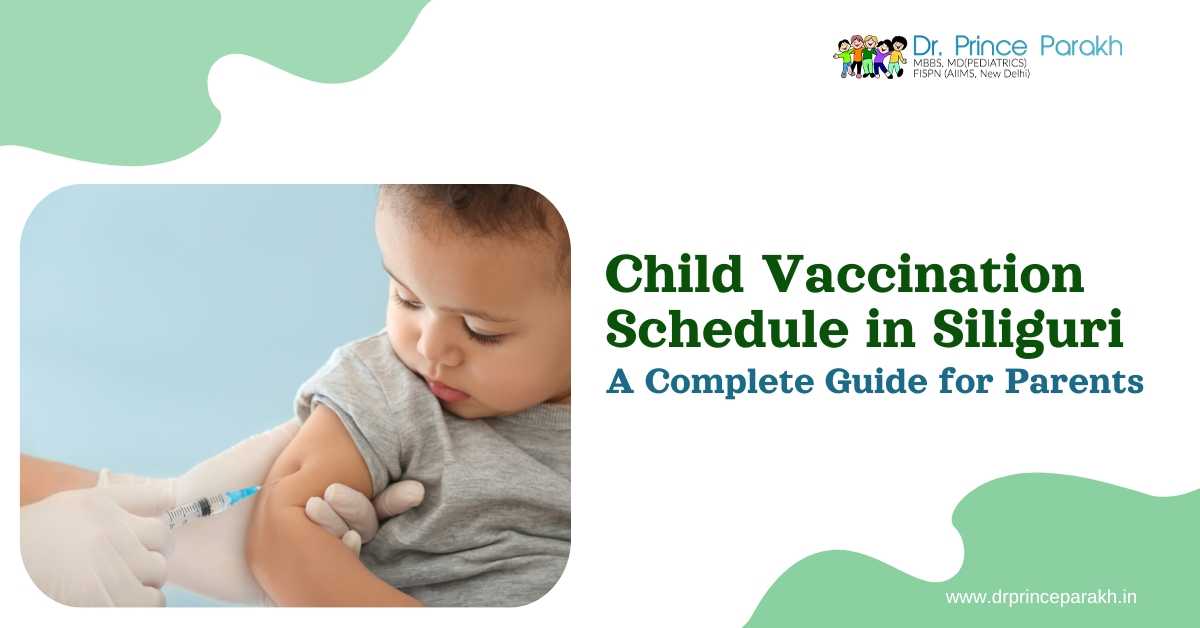
Follow Up With Vaccination Schedule: Vaccinations are safe, effective and one of the best ways to safeguard your children from serious diseases. Therefore, make sure your child is updated with current vaccines such as the annual flu shot, Covid-19 boosters, DTaP, MMR and Rotavirus and others. By taking your child for a regular vaccination schedule, you can help build their immunity and protect them from several diseases.
Teach Hand Hygiene: To protect your child from germs they come into contact with, teach them to wash their hands frequently. Especially before eating, after using the bathroom, and after coughing or sneezing. Make sure you keep hand sanitiser or handwash accessible to them. Encourage your children to learn the importance of good hygiene practices.
Keep Their Nutrition in Check: Nutrition plays a determining role in protecting children’s health. Make sure you include nutrient-rich foods such as colourful vegetables, fresh fruits, whole grains, leafy greens, low-fat dairy products, yoghurts, nuts and healthy fats in their daily diet. This helps build strong immunity and support their growth.
Ensure Sufficient Hydration: Make sure your child drinks plenty of water throughout the day, especially when they are active and recovering from illness. Also, you can give them coconut water, herbal teas with lemon, ginger, and chamomile, fresh fruits like cucumber, oranges, or lime, and warm broths or soups to maintain hydration.
Encourage Outdoor Activities:To help your child stay active and healthy, ensure they spend a large amount of time with outdoor activities. Limit their screentime and encourage them to engage in playing sports, kid-friendly yoga, and any other physical activities to reduce the risk of illness. Also, make sure they get enough sunlight, which is a crucial source of vitamin D required for their health.
Avoid Smoking Exposure:Keep your children away from someone smoking and avoid smoking in front of them. It can make their fragile immune system susceptible to respiratory diseases. Also, make sure they are away from environmental toxins.
Ensure Proper Sleep and Rest: Make sure your child gets enough rest whenever required. Encourage them to follow a fixed sleep routine. Make necessary adjustments in the environment to ensure 8 to 9 hours of sound and quality sleep.
Final Remarks,
Children’s health rapidly changes throughout their growth years, which requires you to stay vigilant. By incorporating healthy practices, regular vaccination follow-ups, and understanding their cues, you can manage their health. In preventing illness and ensuring the healthy growth and development of a child, regular visits to paediatricians are equally crucial. Schedule a consultation with Dr Prince Parakh for professional guidance on the management of your child’s health.

