

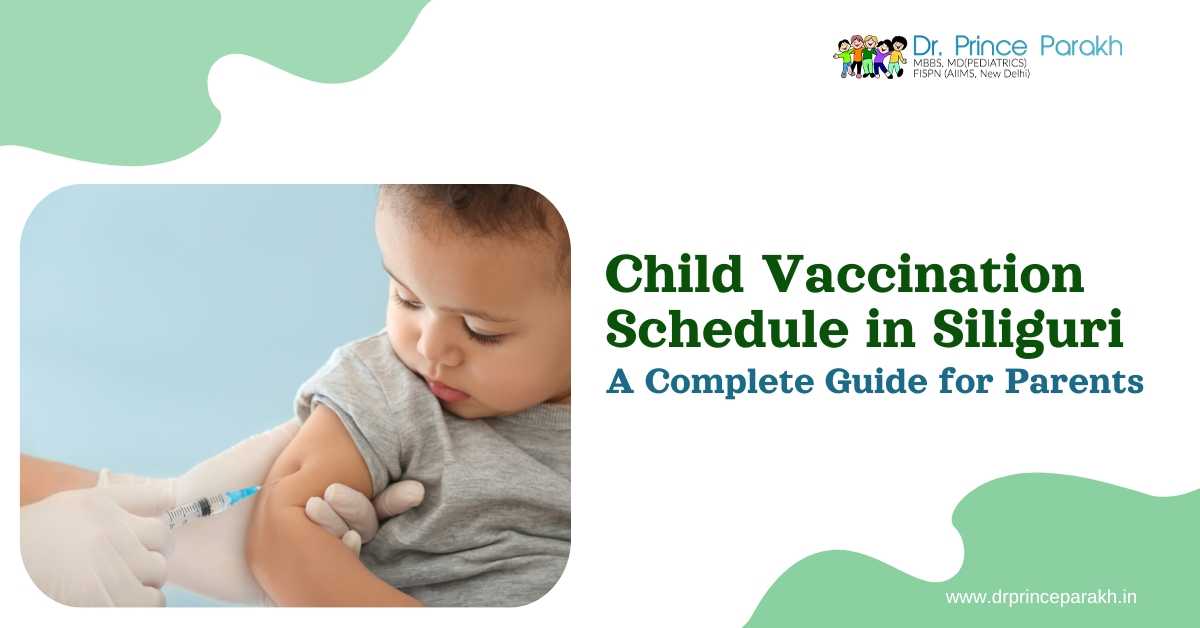




Cervical cancer is a life-threatening disease that develops in the cells of the cervix, almost always triggered by persistent high-risk Human Papillomavirus (HPV) infections. Young people face a high risk because they can catch this virus easily during their teenage years, long before any symptoms appear.
Fortunately, getting a Cervical Cancer Vaccine in Siliguri or near you for your children ensures their immune systems are completely prepared to fight off the virus early. This early step prevents the virus from spreading and stops abnormal cells from developing into cancer. Doctors recommend vaccinating children during their school years for the best protection.
Here are 10 facts about the Cervical Cancer Vaccine that you should know:
The Real Connection Between HPV and Cervical Cancer
According to the World Health Organization (WHO), persistent infection with Human Papillomavirus (HPV) is the primary cause of about 99.7% of cervical cancer cases. This common virus spreads very easily through normal skin-to-skin contact, meaning almost anyone can catch it naturally without showing any visible warning symptoms.
The protective vaccine works by introducing harmless, virus-like particles into the body that teach your natural immune system to fight off the real virus. By stopping the virus from entering your body, the injection prevents the cellular changes that can slowly turn into dangerous tumors over time.
This specific injection acts like a strong shield against a serious disease that remains a leading cause of health complications.
Best Age Windows for the Strongest Immune Protection
Health organizations around the world state that giving this vaccine to young teenagers creates strong and lasting protection inside the body. Clinical data prove that children between 9 and 14 years old build up much higher fighting systems than older people receiving the same dose.
When kids get vaccinated before ever being exposed to the virus, their immune systems are completely prepared to fight it off. Doctors recommend vaccinating preteens to effectively lower transmission rates across the population.
While older individuals can still get the shot, the vaccine works best when children complete the series during their school years.
Choosing Between the Two-Dose and Three-Dose Schedules
The total number of vaccine injections your child needs depends entirely on how old they are when they receive their very first shot. Young teenagers who get their first dose before they turn fifteen only need two separate shots given six months apart for full protection.
The immune systems of younger children create a stronger response, which makes a third injection unnecessary, according to health experts. However, anyone who starts the vaccine series after their fifteenth birthday must follow the older three-dose schedule over a full six-month period.
Different Vaccine Options Available for Local Families
Medical clinics across North Bengal offer a few different types of these shots, depending on which strains they protect against. The basic option protects the body against four common types of the virus, preventing both cervical cancer and genital warts.
According to the Press Information Bureau (PIB) of India, a newer imported version protects against nine different virus strains. This option gives women the highest level of cervical cancer defense available today. However, local doctors also have access to indigenously developed Indian vaccines like Cervavac, which are highly affordable and widely accessible.
Talking to your doctor will help your family pick the right option based on your child's health and your budget.
Extra Protection and Real Benefits for Older Adults
Even though getting the shot early is always best, adult women up to forty-five years old can still get good health benefits. Even if an adult has already caught one type of the virus, the shot protects them from the other high-risk strains.
This extra defense is very helpful because people can easily catch different types of the virus at any time during their adult lives. While the vaccine cannot cure an existing infection, it stops new infections from starting and causing damage.
Adults should talk about their daily habits with a doctor to see if getting this shot is right for them.
Excellent Safety Records and Common Mild Side Effects
Extensive clinical trials involving millions of people worldwide have proven that these vaccines are safe for the public. The most common reactions to the shot are very mild and usually include a little soreness or slight swelling on the arm.
Some people might get a small headache or a low fever, but these side effects typically clear up within two days. Doctors always ask patients to sit quietly in the clinic for fifteen minutes after the shot to make sure they do not feel dizzy.
Serious problems are incredibly rare, which means that the long-term immunity far outweighs the temporary discomfort.
Why Regular Pap Smear Tests are Still Necessary
It is crucial to remember that getting this vaccine does not mean a woman can skip her regular checkups later in life. Because the available shots do not stop every single rare type of the virus, vaccinated women must continue to get tested regularly.
Simple medical tests like Pap smears can detect abnormal cell changes early, long before they can turn into cervical cancer. Combining the vaccine with regular doctor checkups creates the most complete defense plan possible against this disease.
Community Safety and the Benefits for Young Boys
Vaccinating young boys also significantly reduces the transmission of the virus through communities. This same virus causes other health problems that affect men directly, including dangerous cancers of the throat, mouth, and reproductive organs.
This step cuts off the transmission chain, which helps protect girls from exposure as well. This group protection is the only way we can eventually wipe out the virus completely over the next few decades.
More health campaigns are now reminding parents to vaccinate both their sons and daughters to protect the whole family at once.
Correct Storage Rules and Keeping the Medicine Cold
The effectiveness of this vaccine depends completely on keeping the liquid inside a strict, cold environment from the factory to the clinic. Medical centers in major towns must use special medical fridges that keep the vaccine between 2 and 8 degrees Celsius at all times.
If the liquid becomes too hot or accidentally freezes, the active ingredients break down, rendering the expensive shot completely useless. Families should always choose well-known clinics that maintain proper cold chain management so they know their child is getting a fully working dose.
Saving Money in the Long Run with Preventive Care
While paying for the vaccine series right now might seem like a lot of money, it is a wise long-term investment. The financial costs of treating a lasting virus, paying for regular medical tests, or facing expensive cancer treatments are much higher.
This early prevention protects your household from the emotional toll and devastating medical debts that cancer treatments always cause. Many local health insurance groups are now recognizing these long-term savings and are starting to help families cover the cost of shots.
For parents looking for professional advice on teenage vaccine schedules and safe, cold-stored immunizations, visit a trusted pediatrician. Dr. Prince Parakh offers comprehensive pediatric care and reliable vaccination services at his clinic.
Final Thoughts
Parents can take a practical step to protect the long-term health of their children. This cervical cancer vaccine in Siliguri is the easiest way to protect your children from a serious but preventable cancer. This simple decision offers families lasting confidence, ensuring that young adults grow up with strong, early protection already in place.
Protect your family’s future by talking to a specialist to schedule your child’s preventive vaccination.

