
Pediatric Critical Care in Siliguri by Dr. Prince Parakh
Pediatric critical care, or PICU (pediatric intensive care unit), is a specialized clinical setting where critically ill infants, toddlers, children, and adolescents are monitored and treated. Dr. Prince Parakh Registration No. 77585 West Bengal Medical Council (Active), utilizes state-of-the-art monitoring equipment and evidence-based protocols to provide advanced pediatric critical care in Siliguri. His focus is to minimize pain and reduce the risk of complications in your child during life-threatening emergencies.
In the context of critically ill children, timely and accurate medical attention is crucial to avoid rapid deterioration and long-term organ damage. Hence, you need to choose a specialist who utilizes academic excellence and advanced equipment to provide world-class critical care for your child.
When Should You Seek Pediatric Critical Care?
You should seek pediatric critical care in Siliguri if your child's vital organs, such as the lungs, heart, or brain, are at risk. However, parents need to recognize the sudden shifts from a routine illness to life-threatening emergencies in their child. A PICU provides advanced ventilation support along with continuous monitoring and rapid clinical interventions. During health emergencies in your child, waiting too long can lead to irreversible complications or organ damage.
Here are the common situations that demand immediate PICU admission:
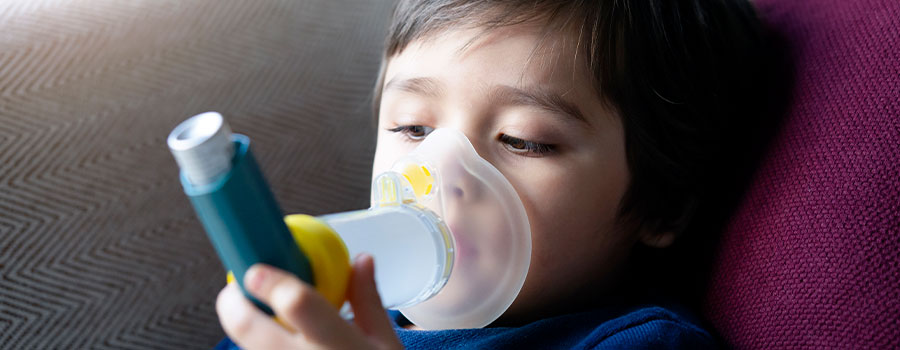
Severe Respiratory Distress
Your child is experiencing difficulties in breathing or is breathing unusually rapidly. Watch out for signs such as chest retractions, where the skin pulls tightly between the ribs, or lips turning bluish due to lack of oxygen. All of these indicate severe respiratory failure, which requires advanced ventilatory support and high-flow oxygen therapies.
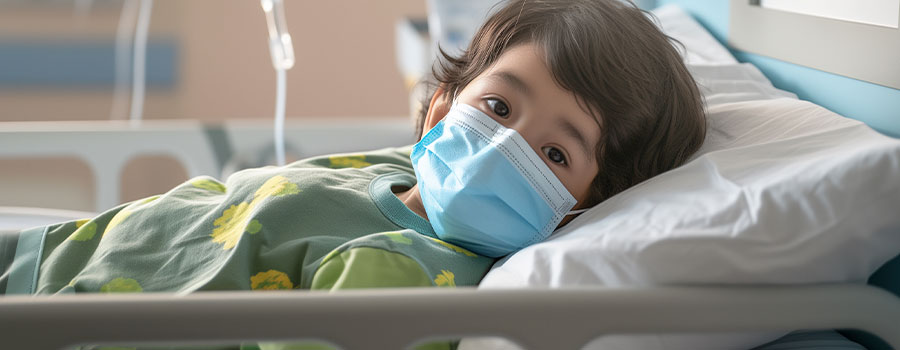
Sepsis and Severe Infections
Severe systemic infections can lead to a dangerous drop in blood pressure or organ failure. If your child develops a high fever with a rapid heart rate or unresponsiveness, it indicates that their body is struggling to fight infections. During such a situation, critical care combines a broad range of antibiotics with intravenous fluid resuscitation and inotropic medications to prevent permanent organ damage.

Severe Dehydration
Dehydration paired with persistent vomiting and severe diarrhea can lead to a condition where the heart cannot pump enough blood to the body. Some of the warning signs are sunken eyes, extreme dry mouth, lack of tears, and a complete absence of urination for several hours. In such a condition, immediate pediatric critical care is required to restore safe blood pressure before vital organs fail.

Accidental Poisoning
When a child accidentally consumes harmful chemicals or toxins, immediate critical care is mandatory. This is because such cases can cause sudden internal damage or organ failure. In a PICU setting, children receive continuous hemodynamic monitoring and precise antidote administration. This treatment protocol and care help neutralize toxins and keep the child stable during critical hours of recovery.

Neurological Emergencies
You must not delay seeking specialized care if your child demonstrates unresponsiveness, extreme lethargy, or seizures. During such a situation, every minute counts, as it can be an indicator of neurological emergencies. Therefore, by seeking immediate critical care, you can safeguard your child's long-term cognitive and physical health.
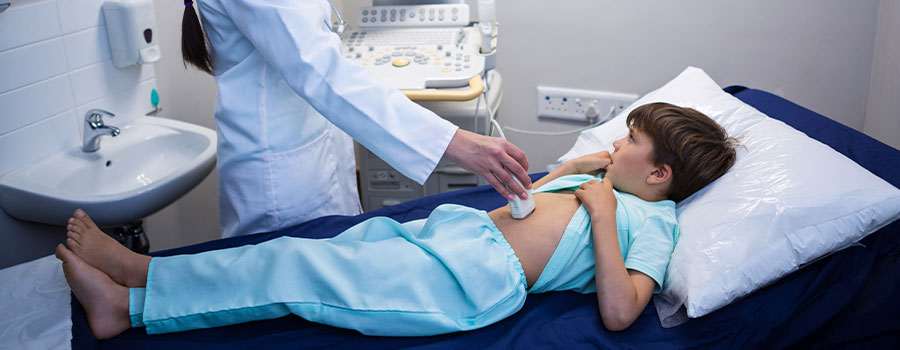
Post-Surgical Monitoring
Children recovering after a complex surgical procedure require high-dependency monitoring. This is because after complex surgeries, conditions can be unstable, which demands acute pain management, prevention of sudden hemorrhages, and heart function stabilization. A dedicated pediatric critical care team provides round-the-clock observation and mechanical support to ensure the child safely navigates the sensitive post-operative window.
How is Pediatric Critical Care Different from Adult Critical Care?
Children are anatomically and psychologically different from adults. This makes it important to manage the baseline vitals, psychological vulnerabilities, and recovery process differently. Additionally, a child’s body responds with extreme volatility to severe illnesses. This means that secondary complications can develop rapidly without specialized interventions. Standard ICU facilities and adult treatment protocols are not able to handle delicate health conditions in children.
Here is how pediatric critical care is different from adult critical care:
Unique Anatomical and Airway Structures
A child’s airway is extremely narrow and flexible, which makes it highly susceptible to sudden obstructions from minor swelling, mucus, or inflammation. Infants have smaller oxygen reserves and higher baseline respiratory rates, which means respiratory failure can lead to cardiac arrest within minutes. A pediatric care facility utilizes downscaled, ultra-flexible intubation tubes and specialized ventilators designed specifically for the delicate lung tissues of children.
Specialized Micro-Scale Infrastructure
Standard medical infrastructure cannot safely treat a critically ill child. A PICU facility is equipped with micro-scale technologies, including miniature blood pressure cuffs, tiny needle sizes, and specialized continuous monitoring sensors. This specialized infrastructure allows the vital signs in a child to be monitored non-invasively and highly accurately without causing unnecessary physical trauma.
Weight-Based Medication Dosages
In the context of pediatric critical care, medication dosages require meticulous calculations, which is not the case in adult critical care. Every single liquid volume, antibiotic, and life-support drug must be precisely formulated based on the child's exact weight in kilograms. This is because even minor extra doses can lead to toxicity or therapeutic failure.
Compassionate Care Models
Pediatric critical care focuses on viewing the parents and the child as an inseparable unit so that family-centred care can be provided. This approach holds tremendous significance because when a child is fighting a life-threatening condition, the parents experience intense anxiety. Additionally, a critical care pediatrician delivers clear medical updates in accessible language and maintains a comforting, soothing environment that reduces emotional trauma for the hospitalized child.
Objective Symptom Tracking
Infants, toddlers, and young children cannot verbally explain their physical distress, which means that specialists need to use objective clinical indicators. In a PICU setting, pediatricians interpret behavioral shifts, altered crying patterns, and real-time hemodynamic monitoring data to accurately diagnose the conditions.
Why Choose Dr. Prince Parakh for Pediatric Critical Care in Siliguri?
With over 14 years of dedicated experience in pediatrics and relevant academic qualifications, Dr. Prince Parakh is an authoritative figure providing pediatric critical care in Siliguri. From treating childhood infections to managing acute respiratory crises, his vast experience ensures immediate stabilization and reduced risk of long-term complications. Choosing a dedicated pediatric intensivist ensures your child receives specialized pediatric care rather than generalized adult care.
Here are the reasons to choose Dr. Prince Parakh:
Elite Academic Background
He holds an MBBS and MD in Pediatrics. Additionally, he has completed the Fellowship of the Indian Society of Pediatric Nephrology (FISPN) from AIIMS, New Delhi. This academic background and specialized training equip him with an advanced understanding of pediatric emergencies.
Comprehensive Management of Critical Pediatric Conditions
He provides a wide spectrum of life-saving medical expertise for children that goes far beyond standard emergency treatment. He expertly manages severe viral infections, kidney emergencies, and childhood respiratory attacks.
State-of-the-Art PICU Infrastructure
His clinic is equipped with cutting-edge medical technology designed exclusively for children. The critical care environment utilizes continuous multi-channel hemodynamic monitors and high-precision ventilators.
Empathetic Care
Parents often praise Dr. Prince Parakh’s bedside manner and warm behavior. When a child is hospitalized, their parents undergo a deeply stressful experience. This is where a compassionate, family-centred care model ensures that children as well as families receive the right emotional support throughout the treatment journey.

Frequently Asked Questions
Testimonials From Parents
Dr. Parakh is undoubtedly the best doctor of this world for my child, Due to the fact that when all the doctors did not say about my child, then Dr. Prince had only hoped that your child will return to you soon, Dr. Prince always takes care of his patients in such a way that his mother or his father cares. Always look forward to helping people.Bishwajeet Saha
He is probably the Best child specialist in Siliguri. He is a Highly experienced doctor backed by a very good behaviour.Saheli Roy
Best pediatrician in Siliguri and a good human being. I must recommend to my friends and relatives!Tapas Mitra